Tap a sentence to see it in Spanish, and tap the book to study it. The speaker plays one sentence, the round button plays a paragraph, and the player at the bottom reads the whole story. Press T to show or hide every translation.
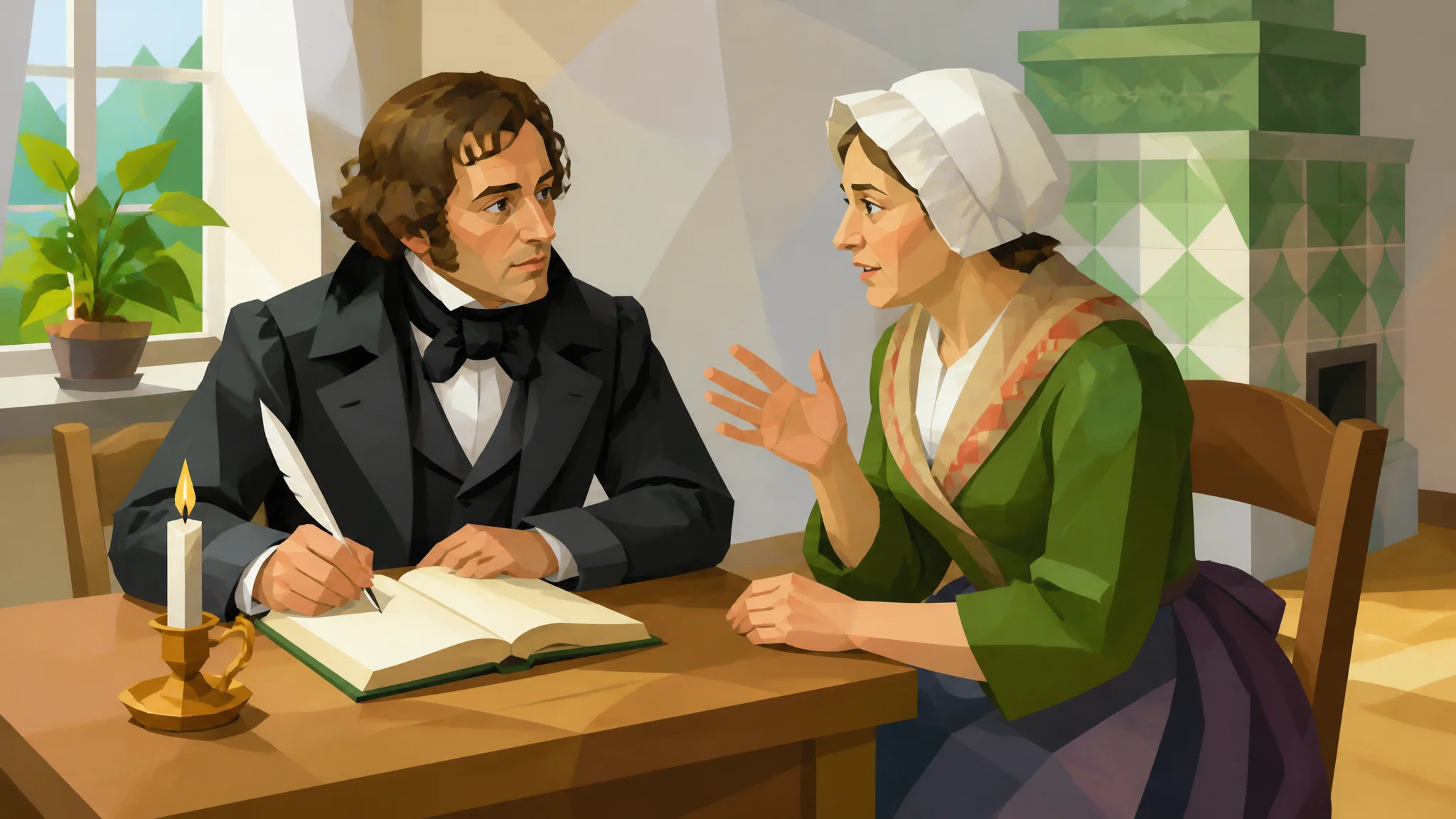
Every morning , millions of small children around the world go to kindergarten , where they build with blocks , sing and paint . Few of them know that the word is German , and that it hides a picture . It means " a garden of children " . The word belongs to Friedrich Fröbel , a German teacher who believed that the first years of life matter most . In 1837 , in the town of Bad Blankenburg , he opened a place where young children could play and learn . Three years later , in 1840 , he gave it a new name : Kindergarten . The name was a whole idea in one word . Fröbel saw children as young plants and teachers as gardeners . A good gardener does not force a plant to grow . He gives it light , water and time , and lets it develop in its own way . For his children he designed a set of simple toys , which he called " gifts " . The first was a soft ball of wool . Later ones were wooden cubes that children could take apart and build into houses , towers and patterns . Today 's building blocks come from toys like these . Not everyone liked the idea . In 1851 , the government of Prussia banned kindergartens , because it thought they spread dangerous ideas about religion and politics . The ban lasted until 1860 , but meanwhile his students carried the idea abroad . One of them , Margarethe Schurz , opened the first American kindergarten in 1856 , in her living room in Watertown , Wisconsin . English borrowed it in 1852 and never changed it , while many other languages translated it but kept the garden . So every morning , millions of children still walk into a garden with no flowers , only small people growing .