Tap a sentence to see it in Spanish, and tap the book to study it. The speaker plays one sentence, the round button plays a paragraph, and the player at the bottom reads the whole story. Press T to show or hide every translation.
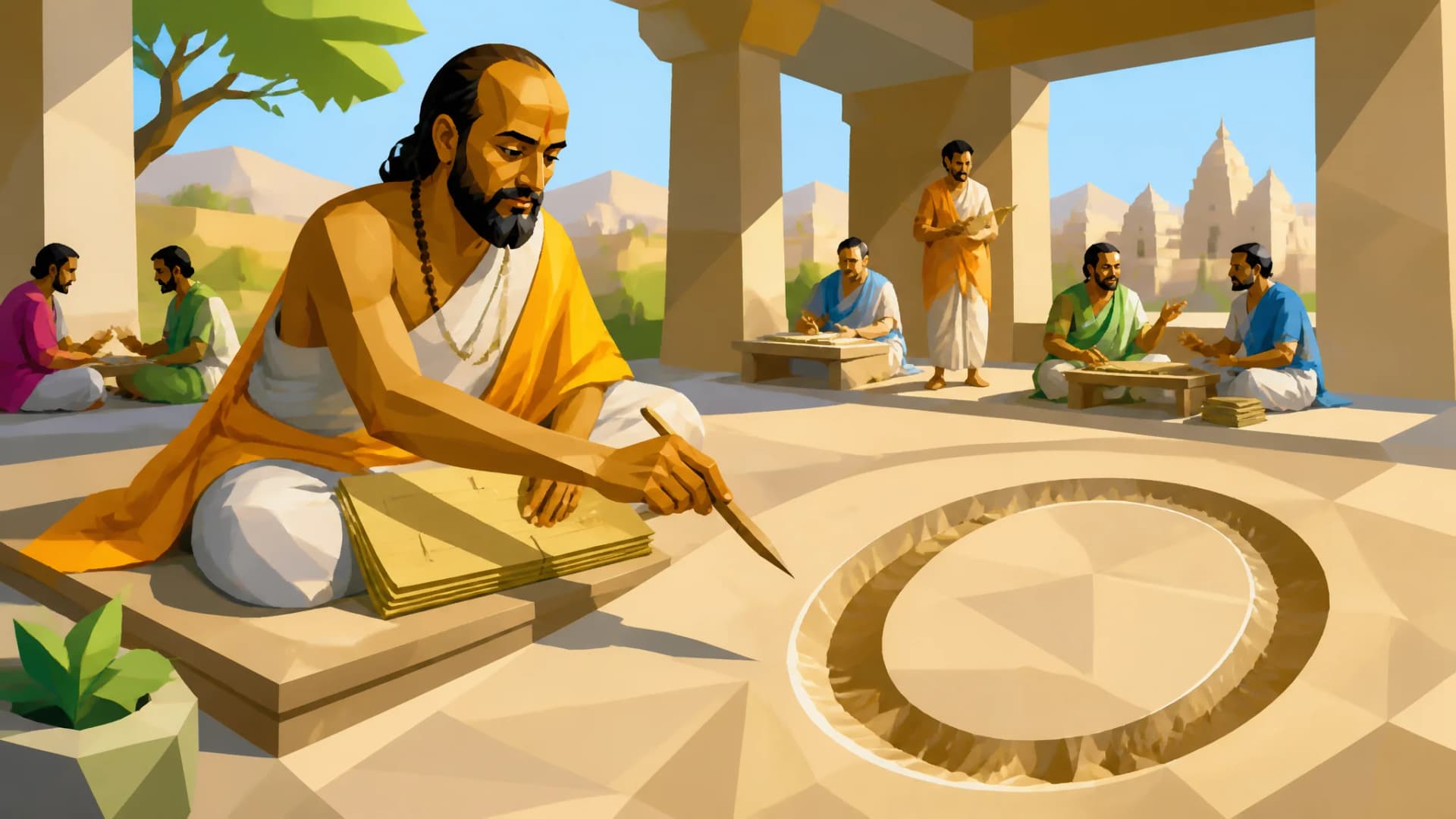
On a modern chess board , the queen is the most powerful piece , able to move any distance in a straight line or along a diagonal . For most of the game 's history , however , she was one of the weakest . The story begins in India , with a war game called chaturanga . The earliest clear records of it come from around the 500s and 600s . Its name refers to the four parts of an army : foot soldiers , horses , elephants and chariots . An advisor stood beside the king , but it could move only one square diagonally . The game travelled to Persia , where it became known as shatranj . From there , Muslims carried it to North Africa , Sicily and Spain by the 900s , and by the year 1000 it had spread throughout Europe . In Europe the advisor became a queen , because it started the game beside the king . A Latin poem from around 997 is the oldest surviving text that calls it a queen . The new name brought no new power . The queen still moved one square at a time , and medieval games were slow , often lasting days . The big change came from Valencia , in Spain . Around 1475 , three poets wrote a poem called Scachs d'amor , which means " Chess of Love " . It describes a game in which the queen moves any number of squares in a straight line or along a diagonal . Historians usually treat it as the earliest record of the modern queen , although its date is still debated . The new rules spread quickly across Europe . Some players called the new game " mad queen chess " . With such a strong queen , checkmate became easier , and games could be won in fewer moves . Today the queen still starts beside the king , like the old advisor in India . The difference is the move : a piece that once took one small step now crosses the whole board .